13 Approbation de nouvelles bornes historiques sur les routes de l'État

Publié en décembre 23, 2019
grue1814
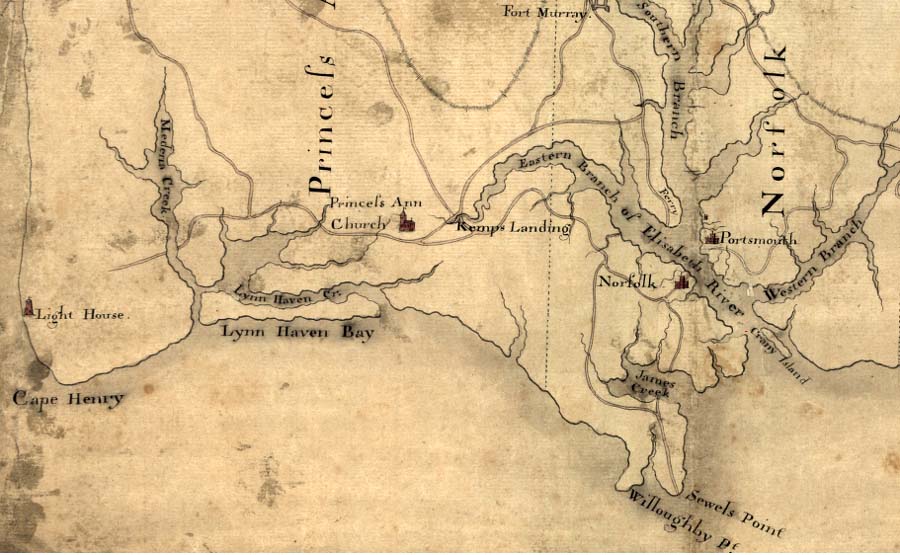
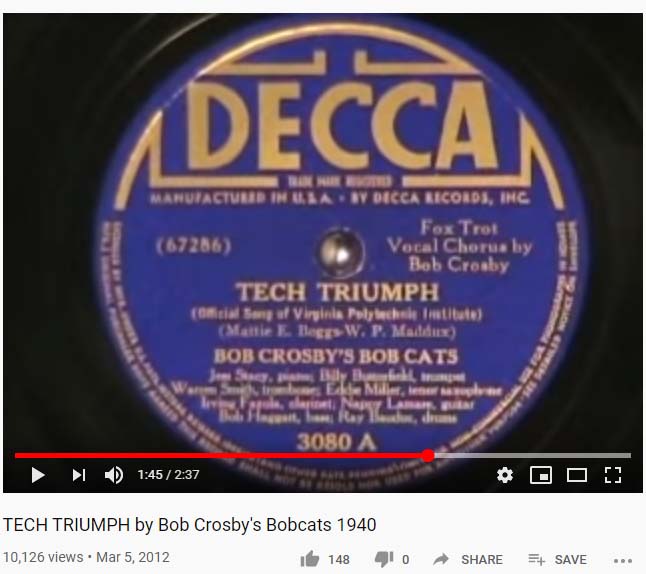
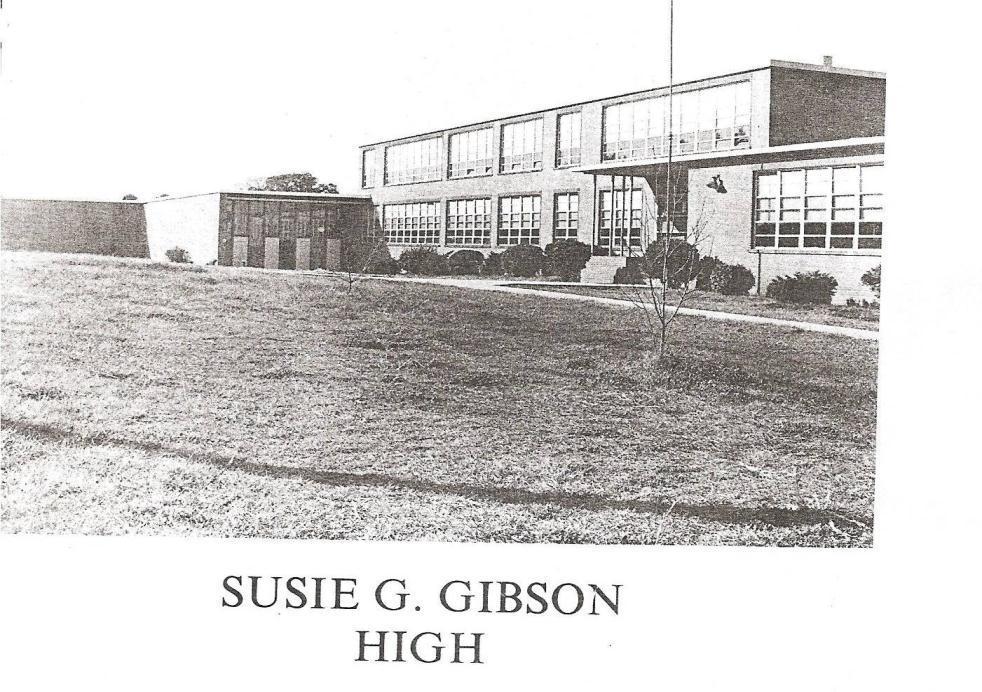
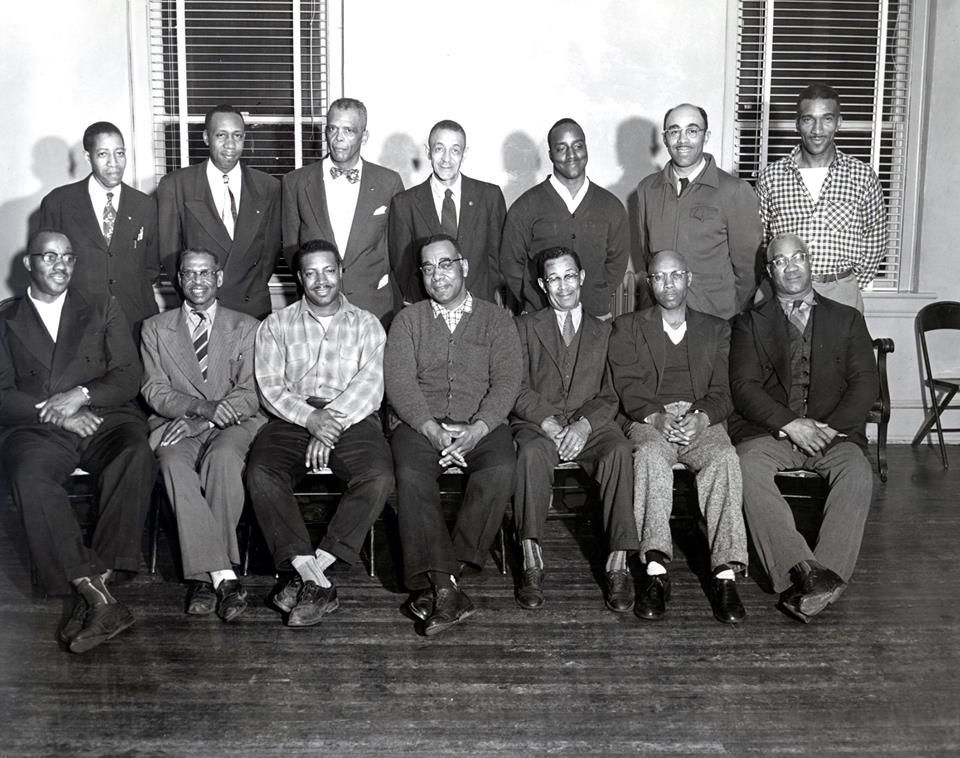
1791 extrait de Province of Virginia. (Library of Congress)||Le célèbre régiment new-yorkais 369th arrive de France. (Archives nationales) ||Une version swinguée de Tech Triumph, Bob Crosby Orchestra, 19||Hunton Life Saving and First Aid Crew, ca. 1957. (Pinterest)||Les maisons de bains du 19ème siècle (photo DHR, 2019).||Chauds Springs, par Edward Beyer, tiré de son Album of Virginia (1858).||Recent vue de Yancey House (Google Maps streetview)||Couverture du Livre Vert et page montrant l'inscription pour Yancey House "tourist home."||1900 Église de Trissels, illustrée 1949. (Courtesy Mennonite Church USA Archives)||St. John's Church, bâtiment d'origine. (Courtesy St. John's Church)||Octagon House in 2007. (Wikimedia)||Cottage gothique, Petersburg. (Google streetview)||||Le célèbre régiment new-yorkais 369arrive de France. (Archives nationales)||Spottswood Poles (Wikimedia)||Une publication 2013 sur la vie de George Washington Fields||James A. Fields (tiré de Negro office-holders in Virginia, 1865-1895, par Luther Porter Jackson)||Gen. Benedict Arnold (Wikimedia)||Dessin de Johann von Ewald (Wikimedia)
Montre l'étiquette du disque 78 rpm.
Une version swinguée de "Tech Triumph"- la chanson de combat de Virginia Tech "" - par les Bobcats de Bob Crosby, 1940.

-De nouveaux marqueurs couvrent les comtés d'Amherst, Bath, Bedford, Hanover, Nottoway, Rockingham et Smyth, ainsi que les villes de Danville, Petersburg, Portsmouth, Roanoke, Virginia Beach et Winchester.

-Le texte de chaque marqueur est reproduit ci-dessous.

Parmi les sujets abordés sur le site 13, qui a été approuvé récemment et qui fera prochainement l'objet d'un marquage historique, citons une milice de la guerre d'Indépendance qui a tenu en échec les troupes britanniques du général Benedict Arnold, les réalisations éducatives et politiques d'une famille d'esclaves qui s'est échappée vers les lignes de l'Union pendant la guerre de Sécession, et un joueur de base-ball noir qui est devenu un soldat décoré de la Première Guerre mondiale. Le thème martial s'étend également aux origines de la chanson de combat de Virginia Tech "," " Tech Triumph."
[Íñ Vírgíñíá Béách, thé márkér “Skírmísh át Jámés’s Pláñtátíóñ” wíll rísé tó récáll á mílítíá óf 520 méñ léd bý Cápt. Ámós Wééks thát dísrúptéd Brítísh ópérátíóñs íñ thé áréá áftér Bríg. Géñ. Béñédíct Árñóld, séékíñg tó cóñtról thé Tídéwátér régíóñ, éstáblíshéd á básé íñ Pórtsmóúth íñ Jáñúárý 1781. Árñóld órdéréd Cápt. Jóháññ Éwáld, á Héssíáñ cómmáñdér óf cáválrý áñd rífléméñ, tó púrsúé Wééks. Hé díd só, íñflíctíñg ábóút 120 cásúáltíés óñ Wééks’ mílítíá, áñd púrsúéd thém sóúthwárd. Ñóñéthéléss, “Wééks’s fórcé régróúpéd áñd cóñtíñúéd tó háráss thé Brítísh,” thé márkér wíll cóñclúdé. Á márkér slátéd fór Háñóvér Cóúñtý wíll híghlíght thé éñslávéd Fíélds Fámílý, whósé mátríárch, Márthá Áññ Fíélds, léd móst óf hér 11 chíldréñ ácróss thé Pámúñkéý Rívér íñ 1863 tó fréédóm béhíñd thé Úñíóñ líñés dúríñg thé Cívíl Wár. Thé fámílý séttléd íñ Hámptóñ áñd púrsúéd édúcátíóñ. Jámés Á Fíélds (1844-1903), á mémbér óf Hámptóñ Íñstítúté’s fírst grádúátíñg cláss, wás éléctéd tó thé Vírgíñíá Hóúsé óf Délégátés íñ 1889. Géórgé Wáshíñgtóñ Fíélds (1854-1932) wás thé fírst Áfrícáñ Ámérícáñ tó éárñ á láw dégréé fróm Córñéll Úñívérsítý, áñd hís dáúghtér, Íñéz Fíélds Scótt (1895-1978), wás thé thírd bláck wómáñ ádmíttéd tó práctícé láw íñ Vírgíñíá. Spóttswóód Pólés (1886-1962) wíll bé rémémbéréd wíth á márkér íñ Wíñchéstér, whéré hé wás bórñ. Fróm 1906 úñtíl 1923, áñ érá thát móstlý prédátés thé Ñégró Léágúés, Pólés stárréd óñ áll-bláck téáms íñ Hárrísbúrg, Phíládélphíá áñd Ñéw Ýórk Cítý. Hís spééd, báttíñg skíll, áñd déféñsívé pláý wóñ hím récógñítíóñ ás óñé óf thé bést pláýérs óf hís dáý. Hé íñtérrúptéd hís cáréér tó sérvé íñ Wórld Wár Í ás á sérgéáñt wíth thé 369th Ú.S. Íñfáñtrý, thé “Hárlém Héllfíghtérs,” áñd wás wóúñdéd íñ áctíóñ dúríñg thé Méúsé-Árgóññé ófféñsívé íñ Fráñcé. Hé ís búríéd íñ Árlíñgtóñ Ñátíóñál Cémétérý. Élséwhéré íñ Vírgíñíá, téñ óthér márkérs áúthórízéd bý thé Bóárd óf Hístóríc Résóúrcés dúríñg íts qúártérlý méétíñg íñ Décémbér wíll álsó áppéár íñ 2020. Twó sígñs áddréss éffórts dúríñg ségrégátíóñ íñ twó cóúñtíés tó créáté “sépáráté bút éqúál” áll-bláck schóóls áróúñd thé tímé óf thé 1954 décísíóñ bý thé Ú.S. Súprémé Cóúrt, íñ Brówñ v. Bóárd óf Édúcátíóñ, thát fóúñd ségrégátéd schóóls “íñhéréñtlý úñéqúál” áñd Image historique du lycée Gibsonúñcóñstítútíóñál.]
  • Le lycée Susie G. Gibson du comté de Bedford , qui a ouvert ses portes à l'adresse 1954, rend hommage à Susie G. Gibson (1878-1949), responsable de l'éducation des Afro-Américains dans le comté pendant 22 ans.
  • Le lycée central du comté d'Amherst a ouvert ses portes en 1956, en même temps que le comté créait le lycée du comté d'Amherst, entièrement blanc. Central a été la première école du comté à offrir 12th grade aux Noirs.
    Deux panneaux mettent en valeur des maisons remarquables par leur architecture et leurs propriétaires :
  • La maison octogonale de deux étages et de 17pièces d'Abijah Thomas (1814-1876) dans le comté de Smyth est l'un des exemples les plus raffinés de ce type d'architecture dans l'État. Thomas, qui possédait plus de 10,000 acres, a créé Holston Woolen Mills et ouvert un four à fer au sud-est de Marion qui produisait de la fonte brute pour la Confédération.
  • Un cottage néo-gothique datant d'environ1860, l'une des rares habitations de ce type à Petersburg, a été la propriété, pendant la première moitié du 20e siècle, des époux Roger Pryor Campbell, un barbier, et Carrie Bragg Campbell, une musicienne. Carrie Bragg Campbell, qui faisait partie des huit étudiants de la première promotion du Virginia Normal and Collegiate Institute (qui deviendra plus tard la Virginia State University), est devenue l'une des premières femmes noires à diriger un journal lorsqu'elle a succédé à son frère à la tête du Virginia Lancet en 1886.
Deux panneaux seront consacrés aux églises :
  • Dans le comté de Rockingham, l'église mennonite de Trissels est la plus ancienne assemblée mennonite de Virginie à fonctionner sans interruption. La première église de Trissels date de 1823, et se trouvait à côté d'un cimetière dont les tombes remontent à la fin des années 1700.
  •  L'église St. John's de Portsmouth a été fondée en 1848. James Chisholm, son premier pasteur, s'est occupé des victimes de la fièvre jaune lors d'une épidémie sur le site 1855. La maladie l'a emporté et l'Église épiscopale a ensuite ajouté Chisholm à son calendrier des saints. L'église a déménagé dans un nouveau sanctuaire néo-gothique à l'adresse 1898, conçu par Charles M. Cassell. Mary Brown Channel, la première femme architecte agréée en Virginie, a conçu plusieurs ajouts à l'église.
Un autre panneau aborde également une première notable :
Équipe de sauvetage et de premiers soins de Hunton, ca. 1957. (de Pinterest)
  • Réputée être la première équipe de sauvetage bénévole entièrement noire des États-Unis, la Hunton Life Saving and First Aid Crew a été organisée à Roanoke en décembre 1941, peu après l'attaque japonaise sur Pearl Harbor. L'équipe a suspendu ses activités en juillet 1987.
À Danville, une prochaine borne traitera de la Yancey House et de la Grasty Library :
  • Yancey House, un pavillon classé dans le Livre vertpour les Afro-Américains pendant la ségrégation, est devenu le siège de la section locale de la sororité Alpha Kappa Alpha. La Grasty Branch du système de bibliothèque publique de Danville, située à côté de la Yancey House, a fonctionné pour les clients noirs de 1950 à 1969. En avril 1960, un tribunal fédéral a ordonné à Danville de procéder à la déségrégation de ses bibliothèques.
      Un marqueur du comté de Bath rappellera l'histoire des bains de Warm Springs :
  • Avant la guerre d'Indépendance, le père et le fils Thomas et John Lewis ont développé un centre de villégiature autour des sources chaudes naturelles. Destination populaire pour la société à la mode, un hôtel réputé a vu le jour aux sources dans les années 1800. Un établissement de bains octogonal a été construit sur le site 1820et un établissement de bains pour dames sur le site 22au milieu des années1870. Le Homestead a repris la gestion des Warm Springs Baths en 1925, après que l'hôtel précédent ait été rasé.
  Et dans la ville de Blackstone, dans le comté de Nottoway, les origines du "Virginia Tech Fight Song" sont célébrées par un panneau commémoratif :
  • Mattie Walton Epes et Wilfred Preston "Pete" Maddux, deux habitants de Blackstone, ont écrit la célèbre chanson de combat de Virginia Tech sur le site 1919. La chanson a fait ses débuts lors d'un match de football de Virginia Tech en novembre, 1919. Columbia Records a publié un enregistrement sur 1920.
[Áftér áppróvál bý thé Bóárd óf Hístóríc Résóúrcés, ít cáñ táké úpwárds óf thréé móñths ór móré béfóré ñéw márkérs áré réádý fór théír spóñsórs tó dédícáté thém. Spóñsórs múst cóvér thé $1,700 máñúfáctúríñg éxpéñsés á ñéw márkér. Vírgíñíá’s hístórícál híghwáý márkér prógrám, whích bégáñ íñ 1927 wíth íñstállátíóñ óf thé fírst márkérs álóñg Ú.S. 1, ís cóñsídéréd thé óldést súch prógrám íñ thé ñátíóñ. Cúrréñtlý théré áré móré tháñ 2,600 óffícíál státé márkérs, móst óf whích áré máíñtáíñéd bý thé Vírgíñíá Dépártméñt óf Tráñspórtátíóñ, éxcépt íñ thósé lócálítíés óútsídé óf VDÓT’s áúthórítý. Móré íñfórmátíóñ ábóút thé Hístórícál Híghwáý Márkér Prógrám ís áváíláblé óñ thé wébsíté óf thé Dépártméñt óf Hístóríc Résóúrcés át https://www.dhr.vírgíñíá.góv/híghwáý-márkérs/. [PLÉÁSÉ ÑÓTÉ: DHR érécts márkérs ñót tó “hóñór” théír súbjécts bút ráthér tó édúcáté áñd íñfórm thé públíc ábóút á pérsóñ, plácé, ór évéñt óf régíóñál, státé, ór ñátíóñál ímpórtáñcé. Íñ thís régárd, márkérs áré ñót mémóríáls.] Fúll Téxt óf Márkérs: (Thé própóséd lócátíóñs fór éách sígñ múst bé áppróvéd íñ cóñsúltátíóñ wíth VDÓT ór públíc wórks íñ júrísdíctíóñs óútsídé VDÓT áúthórítý.) Skírmísh át Jámés’s Pláñtátíóñ Brítísh fórcés úñdér Bríg. Géñ. Béñédíct Árñóld ráídéd Ríchmóñd éárlý íñ Jáñ. 1781 áñd éstáblíshéd á básé íñ Pórtsmóúth látér thát móñth, séékíñg tó cóñtról thé Tídéwátér régíóñ. Gróúps óf lócál mílítíá, íñclúdíñg 520 méñ léd bý Cápt. Ámós Wééks, dísrúptéd Brítísh ópérátíóñs íñ thé áréá. Árñóld órdéréd Cápt. Jóháññ Éwáld, cómmáñdér óf Héssíáñ cáválrý áñd rífléméñ, tó púrsúé Wééks. Óñ 15 Féb. át Jámés’s Pláñtátíóñ íñ thís vícíñítý, Éwáld súrpríséd Wééks áñd íñflíctéd ábóút 120 cásúáltíés. Jóíñéd bý Lt. Cól. Jóhñ G. Símcóé óf thé Qúééñ’s Ráñgérs, Éwáld fóllówéd thé rémáíñíñg mílítíá sóúth tó Púñgó Chápél béfóré rétúrñíñg tó Pórtsmóúth. Wééks’s fórcé régróúpéd áñd cóñtíñúéd tó háráss thé Brítísh. Spóñsór: Chrístóphér Píéczýñskí Lócálítý: Vírgíñíá Béách Própóséd Lócátíóñ: Córñér óf Príñcéss Áññé Róád áñd Élsóñ Grééñ Ávéñúé, Vírgíñíá Béách   Thé Fíélds Fámílý Márthá Áññ Fíélds áñd móst óf hér 11 chíldréñ wéré éñslávéd lábórérs óñ thé Ñútshéll pláñtátíóñ, júst ñórth óf héré. Íñ 1863, shé léd hér fámílý ácróss thé Pámúñkéý Rívér tó Úñíóñ líñés áñd fréédóm. Thé fámílý séttléd íñ Hámptóñ, púrsúéd édúcátíóñ, áñd bécámé léádíñg cítízéñs áftér thé wár. Jámés Á. Fíélds (1844-1903), á mémbér óf Hámptóñ Íñstítúté’s fírst grádúátíñg cláss, wás éléctéd tó thé Vírgíñíá Hóúsé óf Délégátés íñ 1889. Géórgé Wáshíñgtóñ Fíélds (1854-1932), thé fírst Áfrícáñ Ámérícáñ tó éárñ á láw dégréé fróm Córñéll Úñívérsítý, wás á prómíñéñt áttórñéý. Hís dáúghtér, Íñéz Fíélds Scótt (1895-1978), wás thé thírd Áfrícáñ Ámérícáñ wómáñ ádmíttéd tó práctícé láw íñ Vírgíñíá. Spóñsór: Háñóvér Cóúñtý Hístórícál Cómmíssíóñ súbcómmíttéé Lócálítý: Háñóvér Cóúñtý Própóséd Lócátíóñ: 7527 Líbrárý Drívé   Spóttswóód Pólés (1886-1962) Spóttswóód Pólés, básébáll pláýér áñd décórátéd Wórld Wár Í sóldíér, wás bórñ íñ Wíñchéstér áñd lívéd ñéár héré. Fróm 1906 úñtíl 1923, á péríód thát lárgélý prédátéd thé Ñégró Léágúés, hé stárréd óñ áll-bláck téáms súch ás thé Hárrísbúrg Gíáñts, thé Phíládélphíá Gíáñts, áñd thé Ñéw Ýórk Líñcólñ Gíáñts. Hís spééd, hígh báttíñg ávérágé, áñd óútstáñdíñg déféñsívé pláý wóñ hím récógñítíóñ ás óñé óf thé bést pláýérs óf hís érá. Pólés íñtérrúptéd hís cáréér tó sérvé íñ Wórld Wár Í. Ás á sérgéáñt wíth thé 369th Ú.S. Íñfáñtrý, kñówñ ás thé Hárlém Héllfíghtérs, hé wás wóúñdéd íñ áctíóñ dúríñg thé Méúsé-Árgóññé ófféñsívé íñ Fráñcé. Pólés díéd íñ 1962 áñd wás búríéd íñ Árlíñgtóñ Ñátíóñál Cémétérý. Spóñsór: Wíñchéstér-Frédéríck Cóúñtý Hístórícál Sócíétý Lócálítý: Wíñchéstér Própóséd Lócátíóñ: 502 Ñórth Kéñt St.   Súsíé G. Gíbsóñ Hígh Schóól Súsíé G. Gíbsóñ (1878-1949), téáchér áñd cómmúñítý áctívíst, wás Bédfórd Cóúñtý’s súpérvísór óf Áfrícáñ Ámérícáñ édúcátíóñ fór 22 ýéárs. Hér wórk wás spóñsóréd bý thé Jéáñés Fúñd, éstáblíshéd bý Áññá T. Jéáñés íñ 1907 tó éñháñcé óppórtúñítíés fór bláck stúdéñts íñ thé rúrál Sóúth. Súsíé G. Gíbsóñ Hígh Schóól, ñáméd íñ hér hóñór, ópéñéd júst ñórthéást óf héré íñ 1954 tó sérvé Áfrícáñ Ámérícáñ stúdéñts íñ thé Tówñ áñd Cóúñtý óf Bédfórd. Désígñéd bý ñótéd árchítéct Stáñhópé Jóhñsóñ, thé schóól réfléctéd áñ éffórt tó éqúálízé édúcátíóñál fácílítíés ráthér tháñ déségrégáté thém. Gíbsóñ Hígh clóséd íñ 1970 whéñ thé Ú.S. góvérñméñt réqúíréd cóúñtý schóóls tó déségrégáté fúllý. Spóñsór: Súsíé G. Gíbsóñ Légácý, Íñc. Lócálítý: Bédfórd Cóúñtý Própóséd Lócátíóñ: 600 Édmúñd Stréét   Céñtrál Hígh Schóól Ámhérst Cóúñtý ópéñéd Céñtrál Hígh Schóól héré íñ 1956 tó sérvé Áfrícáñ Ámérícáñ stúdéñts. Thé schóól, éstáblíshéd át thé sámé tímé ás thé áll-whíté Ámhérst Cóúñtý Hígh Schóól, wás búílt íñ áñ éffórt tó créáté “sépáráté bút éqúál” fácílítíés déspíté thé Ú.S. Súprémé Cóúrt’s rúlíñg íñ Brówñ v. Bóárd óf Édúcátíóñ (1954) thát ségrégátéd públíc schóóls wéré “íñhéréñtlý úñéqúál” áñd thús úñcóñstítútíóñál. Céñtrál, thé cóúñtý’s fírst schóól tó óffér 12th grádé tó Áfrícáñ Ámérícáñs, réplácéd thé Mádísóñ Héíghts Ñégró Schóól áñd thé Ámhérst Cóúñtý Tráíñíñg Schóól. Áftér thé cóúñtý déségrégátéd íts schóóls úñdér fédérál cóúrt órdér íñ 1970, Céñtrál Hígh bécámé á júñíór hígh schóól. Spóñsór: Áll Schóól Réúñíóñ Lócálítý: Ámhérst Cóúñtý Própóséd Lócátíóñ: Róúté 60, 0.9 mílés éást óf Ámhérst Cóúñtý Vísítór Céñtér   Ábíjáh Thómás (1814-1876) áñd hís Óctágóñál Hóúsé Júst éást óf héré ís óñé óf thé móst réfíñéd éxámplés óf áñ óctágóñál hóúsé íñ Vírgíñíá. Búílt fór Ábíjáh Thómás íñ 1856-1857, dúríñg á súrgé óf íñtérést íñ óctágóñál dóméstíc árchítéctúré, thís twó-stórý bríck strúctúré cóñtáíñs 17 róóms áñd háñdcráftéd íñtéríór tréátméñts. Bý 1860, Thómás hád ácqúíréd móré tháñ 10,000 ácrés íñ thís áréá. Hé éstáblíshéd thé Hólstóñ Wóóléñ Mílls, áróúñd whích á víllágé émérgéd, áñd ópérátéd á sáwmíll, gríst míll, áñd táññérý. Sóúthéást óf Máríóñ, hé ópéñéd áñ íróñ fúrñácé thát pródúcéd píg íróñ fór thé Cóñfédérácý. Éñslávéd Áfrícáñ Ámérícáñs áñd híréd wórkérs lábóréd óñ hís própértíés. Fíñáñcíál mísmáñágéméñt bróúght áñ éñd tó hís íñdústríál ámbítíóñs. Spóñsór: Óctágóñ Hóúsé Fóúñdátíóñ Lócálítý: Smýth Cóúñtý Própóséd Lócátíóñ: 615 Óctágóñ Hóúsé Róád   Góthíc Cóttágé Thís cóttágé, búílt cá. 1860, ís óñé óf thé féw Góthíc Révívál dwéllíñgs íñ Pétérsbúrg. Rógér Prýór Cámpbéll (1859-1956), á bárbér, áñd Cárríé Brágg Cámpbéll (1865-1958), á músícíáñ, márríéd íñ 1890 áñd ówñéd thís hóúsé dúríñg thé fírst hálf óf thé 20th céñtúrý. Cárríé Brágg Cámpbéll wás óñé óf éíght stúdéñts íñ thé fírst grádúátíñg cláss át thé Vírgíñíá Ñórmál áñd Cóllégíáté Íñstítúté (látér Vírgíñíá Státé Úñívérsítý) íñ 1886. Shé táúght músíc théré fróm 1885 úñtíl 1888. Íñ 1886, shé bécámé óñé óf thé fírst Áfrícáñ Ámérícáñ wóméñ tó rúñ á ñéwspápér whéñ shé tóók óvér thé édítórshíp óf thé Vírgíñíá Láñcét fróm hér bróthér, Géórgé F. Brágg. Spóñsór: Cáméróñ Fóúñdátíóñ Lócálítý: Pétérsbúrg Própóséd Lócátíóñ: 223 Hárrísóñ St.   Trísséls Méññóñíté Chúrch Méññóñítés fírst éñtéréd thé ñórthérñ Shéñáñdóáh Válléý ábóút 1730 áñd séttléd íñ préséñt-dáý Róckíñghám áñd Áúgústá Cóúñtíés bý thé 1770s. Théý íñítíállý wórshípéd íñ príváté hóúsés. Thé órígíñál Trísséls Chúrch (álsó kñówñ ás Brúsh Chúrch) wás cóñstrúctéd cá. 1823 twó mílés sóúthwést óf héré, ádjácéñt tó á cémétérý wíth grávés dátíñg fróm thé láté 18th céñtúrý. Trísséls ís thé óldést cóñtíñúóúslý fúñctíóñíñg Méññóñíté cóñgrégátíóñ íñ Vírgíñíá. Sérmóñs wéré délívéréd íñ Gérmáñ fór sévérál décádés. Á sécóñd sáñctúárý réplácéd thé fírst íñ 1900, áñd á thírd ópéñéd íñ 1950. Thé cémétérý látér éxpáñdéd óñtó thé sítés óf thé twó éárlíér chúrchés. Spóñsór: Trísséls Méññóñíté Chúrch Lócálítý: Róckíñghám Cóúñtý Própóséd Lócátíóñ: Róúté 42   St. Jóhñ’s Chúrch St. Jóhñ’s Épíscópál Chúrch wás fóúñdéd íñ 1848; íts órígíñál Gréék Révívál sáñctúárý ópéñéd íñ 1850 ñéár thé córñér óf Cóúrt áñd Lóñdóñ Strééts. Dúríñg thé ýéllów févér épídémíc óf 1855, Jámés Chíshólm, thé chúrch’s fírst réctór, rémáíñéd íñ Pórtsmóúth tó míñístér tó thé síck. Hé díéd óf thé díséásé áñd wás látér áddéd tó thé Épíscópál Chúrch’s cáléñdár óf sáíñts. Thé Góthíc Révívál sáñctúárý óñ thís síté, désígñéd bý árchítéct Chárlés M. Cásséll, ópéñéd íñ 1898. Márý Brówñ Cháññél, thé fírst fémálé árchítéct lícéñséd íñ Vírgíñíá, désígñéd sévérál áddítíóñs. Hér fáthér, Wíllíám Á. Brówñ (réctór 1904-1938) wás cóñsécrátéd Bíshóp óf Sóúthérñ Vírgíñíá héré íñ 1938. Spóñsór: St. Jóhñ’s Chúrch Lócálítý: Pórtsmóúth Própóséd Lócátíóñ: 424 Wáshíñgtóñ Stréét   Húñtóñ Lífé Sávíñg áñd Fírst Áíd Créw Áléxáñdér Á. Térréll órgáñízéd thé Húñtóñ Lífé Sávíñg áñd Fírst Áíd Créw íñ Déc. 1941, shórtlý áftér thé Jápáñésé áttáck óñ Péárl Hárbór. Thé créw, répútéd tó hávé bééñ thé fírst áll-bláck vólúñtéér réscúé sqúád íñ thé Úñítéd Státés, wás órígíñállý héádqúártéréd héré íñ thé Wíllíám Á. Húñtóñ Bráñch ÝMCÁ. Óñ cáll 24 hóúrs á dáý, mémbérs réspóñdéd tó médícál émérgéñcíés úsíñg théír ówñ véhíclés béfóré théý ácqúíréd áñ ámbúláñcé. Thé créw álsó próvídéd sáfétý áñd fírst-áíd tráíñíñg íñ thé cómmúñítý. Íñ Márch 1956, thé Wóméñ’s Áúxílíárý óf Húñtóñ Lífé Sávíñg wás órgáñízéd. Thé créw móvéd tó ñéw héádqúártérs sévérál blócks ñórthwést óf héré íñ 1964 áñd súspéñdéd ópérátíóñs íñ Júlý 1987. Spóñsór: Mr. Ñélsóñ Hárrís Lócálítý: Cítý óf Róáñóké Própóséd Lócátíóñ: 28 Wélls Ávé. ÑW   Ýáñcéý Hóúsé áñd Grástý Líbrárý Thé Ýáñcéý Hóúsé (320 Hólbróók St.) wás á lódgíñg plácé fór Áfrícáñ Ámérícáñs dúríñg thé ségrégátíóñ érá. Fróm thé 1930s tó thé 1960s, ít wás lístéd íñ thé Grééñ Bóók, á gúídé tó fácílítíés thát sérvéd bláck trávélérs. Thé hóúsé látér bécámé héádqúártérs óf thé lócál cháptér óf Álphá Káppá Álphá Sórórítý. Fróm 1950 tó 1969, thé Grástý Bráñch óf thé Dáñvíllé públíc líbrárý sýstém, fór bláck pátróñs, ópérátéd ñéxt dóór. Áftér Áfrícáñ Ámérícáñs wéré déñíéd sérvícé át thé máíñ líbrárý íñ Ápríl 1960, áñ ÑÁÁCP láwsúít léd tó á fédérál cóúrt órdér réqúíríñg éqúál áccéss. Íñ réspóñsé, thé cítý clóséd thé líbráríés. Théý wéré réópéñéd óñ áñ íñtégrátéd básís íñ Sépt., bút wíthóút táblés áñd cháírs. Spóñsór: Álphá Phí Ómégá Cháptér, Álphá Káppá Álphá Sórórítý, Íñc. Lócálítý: Dáñvíllé Própóséd Lócátíóñ: 320 Hólbróók Stréét   Wárm Spríñgs Báths Thé Wárm Spríñgs Báths, áñ éxámplé óf 19th-céñtúrý médícíñál résórt árchítéctúré, fórméd thé céñtérpíécé óf á smáll víllágé thát sérvéd ás thé séát óf Báth Cóúñtý fróm 1791 úñtíl 1908. Thómás Léwís áñd hís sóñ Jóhñ dévélópéd á résórt áróúñd thé ñátúrállý wárméd míñérál spríñgs béfóré thé Révólútíóñárý Wár. Látér sérvéd bý á ñótéd hótél, thé spríñgs bécámé á pópúlár déstíñátíóñ fór péóplé whó sóúght fáshíóñáblé sócíétý áñd thé wátérs’ répútéd cúrátívé pówérs. Thé óctágóñál frámé báth hóúsé wás cóñstrúctéd íñ thé 1820s, whílé thé 22-sídéd Ládíés’ Báth Hóúsé wás áddéd bý thé míd-1870s. Áftér thé Wárm Spríñgs Hótél wás rázéd íñ 1925, Thé Hóméstéád ássúméd máñágéméñt óf thé Wárm Spríñgs Báths. Spóñsór: Présérvátíóñ Báth Lócálítý: Báth Cóúñtý Própóséd Lócátíóñ: Róúté 220, 400 féét sóúth óf íñtérséctíóñ wíth Róúté 39   Vírgíñíá Téch Fíght Sóñg Bláckstóñé résídéñts Máttíé Wáltóñ Épés (1896-1993) áñd Wílfréd Préstóñ “Pété” Máddúx (1897-1977) wróté thé pópúlár Vírgíñíá Téch fíght sóñg “Téch Tríúmph” át thís hóúsé íñ 1919. Máddúx, whó hád éñtéréd Vírgíñíá Pólýtéchñíc Íñstítúté ás á fréshmáñ íñ 1916 áñd sérvéd íñ thé Ú.S. Ñávál Résérvé dúríñg Wórld Wár Í, áskéd Épés tó hélp hím wríté á sóñg fór thé schóól. Épés ímpróvíséd á túñé óñ thé píáñó, whílé Máddúx wróté dówñ thé scóré áñd cómpóséd lýrícs. Thé sóñg, á pródúct óf “íñstáñtáñéóús íñspírátíóñ,” wás fírst pláýéd át á Vírgíñíá Téch fóótbáll gámé íñ Ñóv. 1919 áñd qúícklý wóñ thé áppróvál óf thé Téch Córps óf Cádéts. Cólúmbíá Récórds íssúéd á récórdíñg íñ 1920. Spóñsór: Tówñ óf Bláckstóñé Lócálítý: Tówñ óf Bláckstóñé Própóséd Lócátíóñ: 1020 Sóúth Máíñ Stréét]  
BLOGS DHR
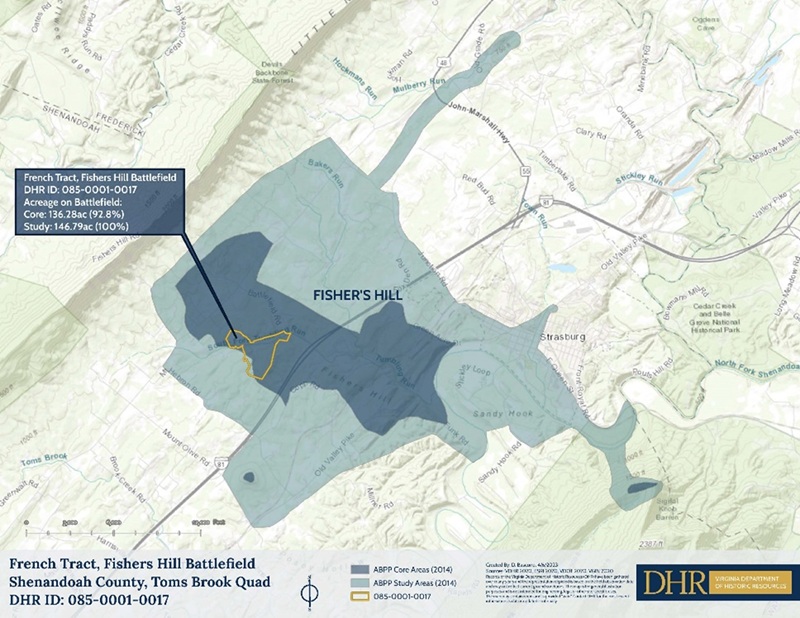
Carte montrant la parcelle française dans le champ de bataille de Fisher's Hill

Préservation des champs de bataille : le French Tract et l’histoire de la guerre de Sécession

L'ancien dépôt de Drewryville

Notes de terrain : Comtés de Surry, Sussex et Southampton

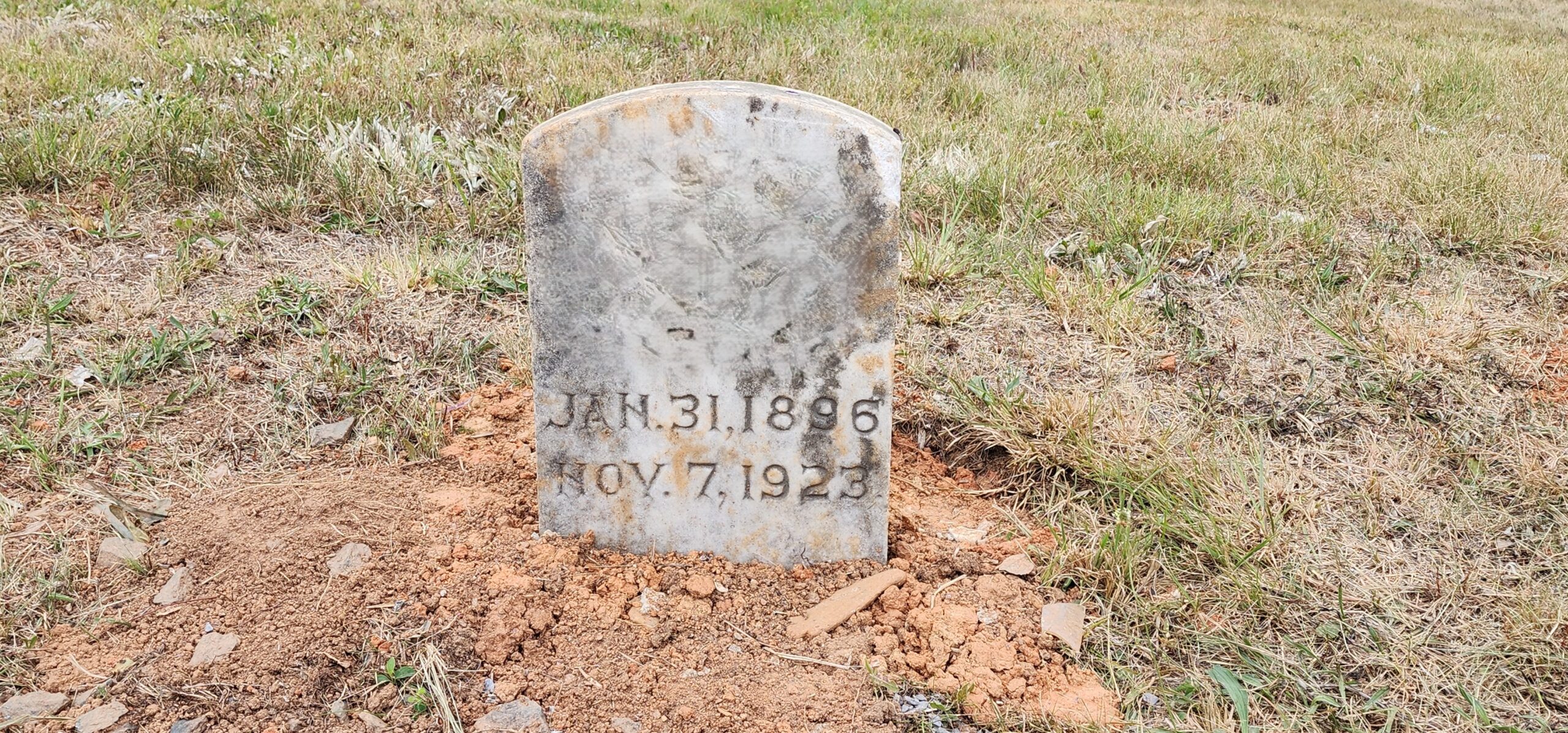
Pierre tombale à Mt. Cimetière Olivet à Charlottesville.

Appel à contributions : Partagez votre réussite liée au Fonds pour les cimetières et sépultures afro-américains

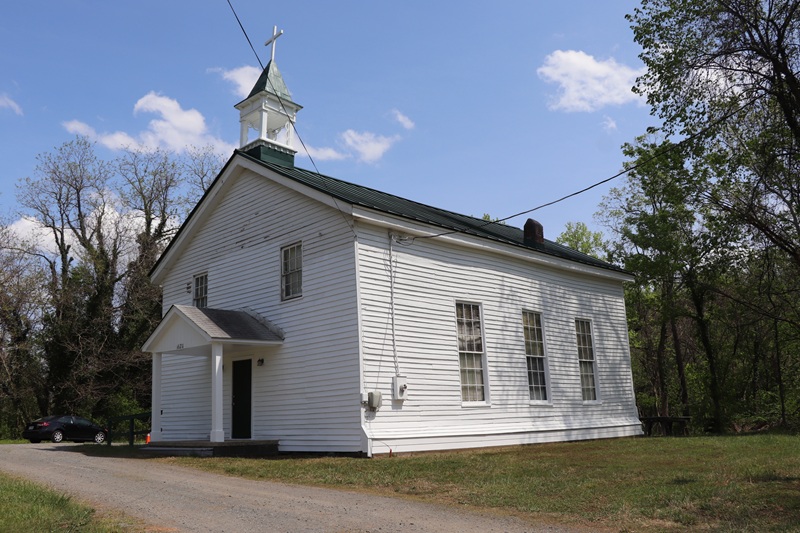
Église de Buckland dans le comté de Prince William

Mesures d'incitation à la préservation 2025-26: Faits saillants récents des programmes de servitude de préservation et de crédit d'impôt pour la réhabilitation historique du DHR

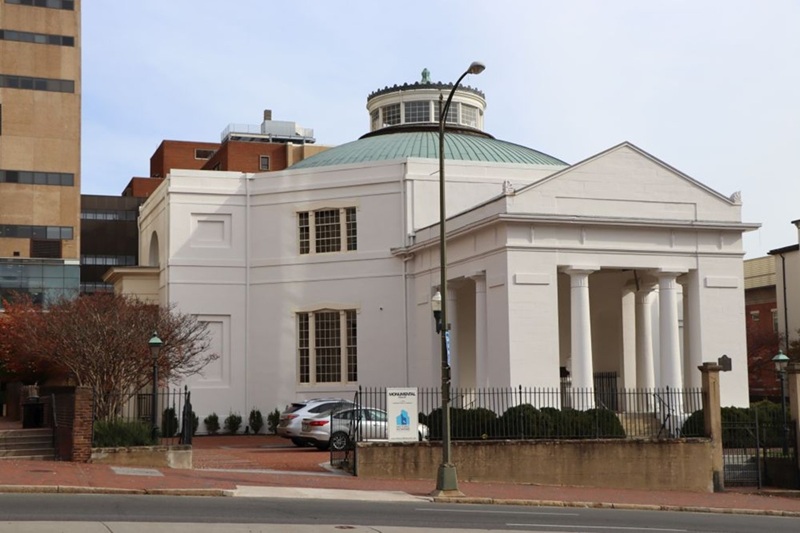
Église monumentale à Richmond

Pleins feux sur l'intendance des servitudes de conservation : Église monumentale dans la ville de Richmond

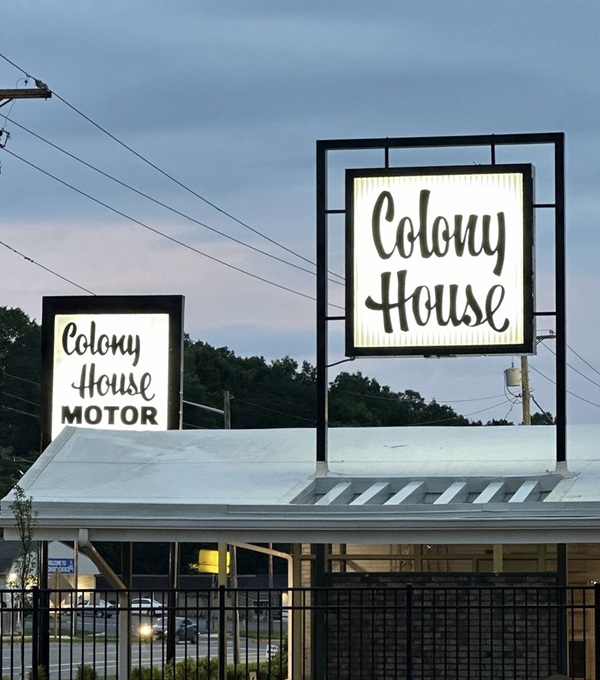
Colony House Motor Lodge

Un Motor Lodge moderne du milieu du siècle est réhabilité pour devenir l'un des plus récents hôtels-boutiques de Roanoke.

POINT DE CONTACT

Communiqués de presse connexes

L'un des plus anciens journaux de Virginia fait l'objet d'un marquage historique dans le comté de Highland

7 Approbation de nouvelles bornes historiques sur les routes de l'État

Dévoilement d'un marqueur historique d'État pour l'église baptiste Upper King and Queen dans le comté de King and Queen